
At a glance
- Art therapy utilises creative techniques such as guided visualisation, mandalas, clay, and collage to help individuals express emotions beyond words.
- Each method supports mental and emotional well-being in different ways by calming the mind, grounding the body, or uncovering inner insight.
- The right method depends on your goals, comfort, and how you prefer to express yourself.
Art has long been a means of expressing what cannot be spoken. In art therapy, creativity is more than a pastime; it becomes a pathway to reflection, self-discovery, and healing.
Art therapy is not limited to painting or drawing. It encompasses a range of transpersonal and expressive art therapy methods designed to support emotional release, mindfulness, and connection to one’s inner world. Each technique offers a distinct way to process feelings, explore subconscious themes, and restore balance between the mind and body.
Some techniques invite quiet reflection; others channel energy and movement. Whether through guided imagery, tactile clay work, or the creation of symbolic artwork, each approach contributes uniquely to emotional well-being.
Let’s explore some of the commonly used art therapy methods and how they support the healing process.
Different Methods of Art Therapy
Art therapy draws from a wide variety of methods, each helping individuals connect with their emotions and inner wisdom. These approaches allow expression to unfold naturally, through colour, texture, shape, or symbol, supporting both mental clarity and emotional release.
Guided Visualisation and Imagery
Guided visualisation uses meditation and mental imagery to access the subconscious mind. During a session, you may be invited to imagine a journey, such as a peaceful landscape, a sacred garden, or a symbol of healing, before expressing your experience through painting, drawing, or collage.
This method gently bridges the inner and outer world. It can reduce stress, restore calm, and help process emotions that are difficult to articulate. By transforming visualisations into art, clients gain new insight and a sense of emotional clarity, making it an ideal starting point for deeper creative exploration.
Mandala Creation
Mandalas, circular artworks that represent wholeness and harmony, are a powerful tool in art therapy. You may create a mandala using colours, patterns, and symbols that emerge intuitively.
This process encourages focus and mindfulness, naturally slowing racing thoughts and helping regulate emotions. The repetitive, balanced design has a calming effect, easing anxiety and restoring inner stability. Mandala creation can be especially helpful for children and adults seeking a meditative and centring practice that fosters peace and balance.
Painting and Drawing
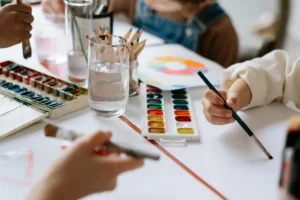
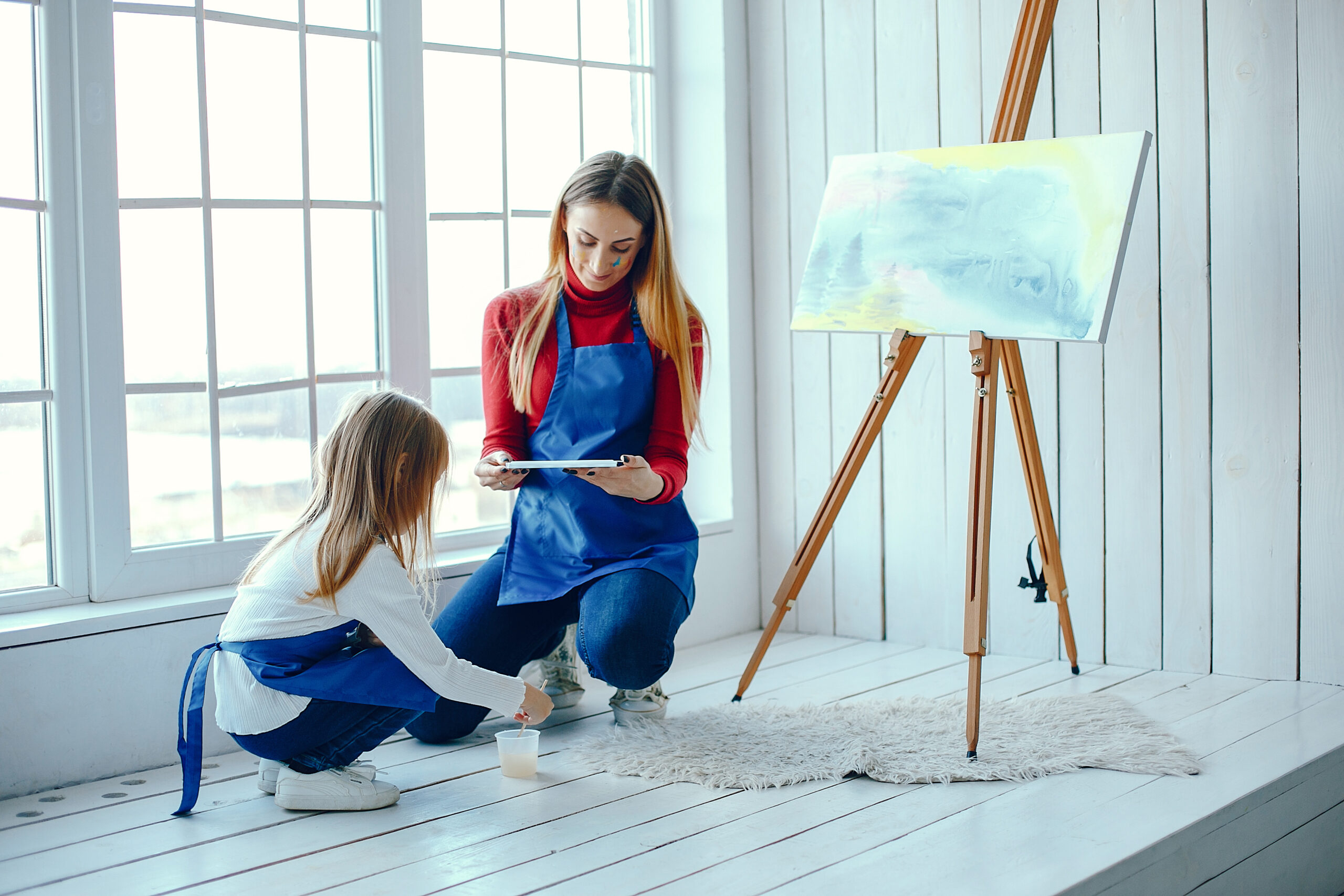
Painting and drawing remain some of the most accessible and flexible art therapy techniques. Using mediums like acrylics, watercolour, or pastels, clients explore colour, movement, and texture to express feelings beyond words.
The act of creating, rather than the final product, is what matters. Painting can help ease tension, regulate mood, and serve as a healthy outlet for emotional release. It encourages mindfulness and presence, drawing attention away from overthinking and into the flow of creative movement. This simplicity makes painting and drawing an inviting method for individuals of all ages and abilities.
Clay Work
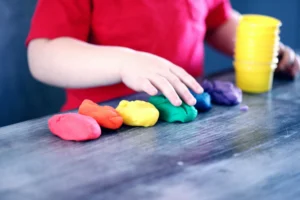
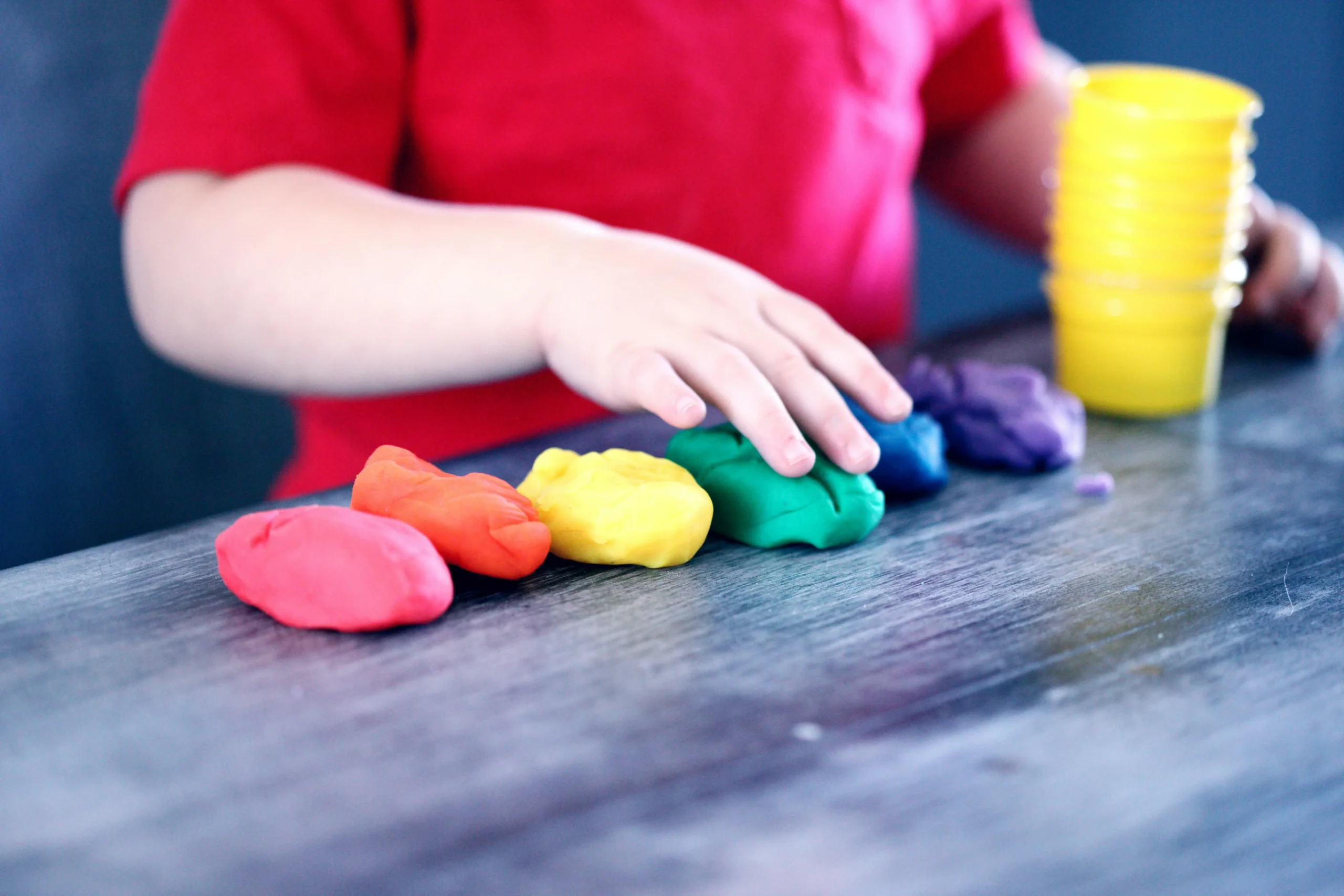
Clay work engages both body and mind. Moulding, pressing, or shaping clay provides a tactile, sensory experience that feels grounding and meditative. The texture of clay invites the release of built-up tension, making it especially beneficial for those managing anxiety or restlessness.
Clay work helps the body return to the present moment, creating a safe space for emotions to gently surface. The unpredictability of clay allows for spontaneity and emotional expression. Some choose to remould their piece, while others let it dry as a symbol of transformation. This hands-on approach fosters resilience and balance, strengthening the mind-body connection.
To understand how creative practices like clay work help restore balance between mind and body, read our article on Art Therapy and the Healing Power of Creativity.
Sand Tray
In sand tray therapy, individuals arrange miniature figures and objects in sand to build scenes or symbolic stories that reflect their inner world. This visual and tangible process helps externalise experiences that may feel too overwhelming to express verbally.
Sand tray work is often used with children or individuals healing from trauma. It provides a safe, contained space where emotions can be seen and understood. The act of constructing and rearranging scenes promotes problem-solving and emotional regulation. As the story in the sand evolves, so does the sense of self-understanding and empowerment.
Collage, Vision Boards, and Soul Work
Collage-based art therapy invites you to create visual stories that bring emotions, memories, and aspirations into view. Whether you’re assembling magazine images, building a vision board, or exploring soul collage, each creation becomes a window into your inner world.
These practices help transform what’s felt but unseen into something tangible. By giving shape to feelings and future hopes, you begin to notice recurring patterns, clarify intentions, and reconnect with your own strengths. The gentle process of selecting, arranging, and layering imagery fosters mindfulness and emotional balance, allowing creativity to flow freely and insight to emerge naturally.
Myth and Archetype Work
Myth and archetype work connect personal experience to universal human stories. Individuals reflect on myths, dreams, or symbolic tales, expressing their interpretations through visual art.
By engaging with archetypes, such as the hero, healer, or nurturer, individuals discover new meaning in their experiences and gain a deeper understanding of their place within a larger narrative. This practice fosters insight, helps reframe challenges, and strengthens identity. It’s particularly effective for those seeking to understand recurring patterns or explore personal transformation through storytelling and symbolism.
Art as Ritual or Ceremony
When art becomes ritual, it turns creation into a meaningful act. Creating art to mark moments of change, such as healing after loss, acknowledging growth, or setting new intentions, invites reflection and release. Each piece becomes both a symbol and a process of renewal.
Through the use of natural materials, personal symbols, or found objects, individuals create rituals that bring gratitude and closure to life transitions. Whether practised individually or in a group, this method nurtures a sense of connection to oneself, to others, and to the cycles of change with mindfulness and compassion.
How to Choose the Right Art Therapy Method
There’s no single right method in art therapy, as each offers something unique. The best choice depends on your goals, comfort level, and how you interact with creative materials.
- Your goals: If you’re healing from trauma or grief, sensory and grounding methods like clay work or sand tray may feel more beneficial. For stress relief or mindfulness, creating a mandala or engaging in guided visualisation can bring calm and focus.
- Comfort with materials: Some people enjoy hands-on, tactile experiences, while others prefer reflective or visual activities. Clay and sand encourage movement; mandalas and collage invite contemplation.
- Expression style: If you find verbal expression difficult, non-verbal techniques such as painting, collage, or sand tray allow emotions to surface safely.
- Integration: Most clients benefit from blending two or more methods. For example, a session may begin with guided imagery, move into painting, and conclude with journaling or reflection.
- Therapist guidance: Therapists tailor sessions to your needs, combining techniques as your journey unfolds.
You don’t need to decide which method is best before you begin. Your therapist will gently introduce creative practices that resonate with you and support your wellbeing.
Every art therapy method opens a different doorway to healing through colour, touch, movement, or symbolism. At Artivive, we integrate these creative techniques to tailor our approach to each person’s unique emotional needs with care and intention.
Our therapists are trained in all art therapy methods, including guided visualisation and mandala creation, as well as clay, collage, and ritual work. Each approach offers a unique way to process emotions and find clarity through creation.
If you’re curious about which methods resonate most with you, book a free consultation with us. Together, we’ll explore creative pathways that support your or your child’s growth, balance, and self-understanding.
FAQs
What are the most common art therapy methods?
Common art therapy methods include guided visualisation, painting, clay work, sand tray, and collage. Each offers a unique path to emotional expression and healing.
Do I need to choose a method before my first session?
No. Your therapist will introduce various creative methods during your sessions, tailored to your comfort and emotional needs.
Which methods are best for managing stress or trauma?
Grounding methods like clay work and sand tray are particularly effective for trauma and anxiety. Guided visualisation and mandala creation can also support relaxation and mindfulness.
Are these art therapy methods suitable for children?
Yes. Art therapy is highly adaptable. Methods such as sand tray, collage, and drawing help children express emotions they can’t easily verbalise in a safe, creative way.