
At a glance
- Art therapy is a type of psychotherapy that utilises creativity to help individuals process their emotions and promote healing.
- It supports emotional well-being by reducing stress, encouraging self-awareness, and incorporating mindfulness for a complete healing experience.
- Whether you’re a child, an adult, a neurodivergent individual, or a senior, art therapy offers valuable support for anyone seeking emotional growth or personal healing.
At times, emotions feel too heavy or tangled to put into words. Stress, grief, trauma, or even the quiet weight of daily life can leave us feeling unsettled and cut off from ourselves. Talking it through isn’t always easy, and keeping them bottled up often leads to greater tension in both mind and body.
Art therapy offers another way forward. Using creativity as the medium, it helps people process emotions, ease stress, and gain a fresh perspective in a supportive, non-judgmental setting. Whether you’re working through challenges or curious about personal growth, art therapy can open the door to healing, resilience, and deeper self-awareness.
In this article, we’ll explore what art therapy is, its benefits, and who can benefit from this transformative practice.
What is Art Therapy?
Art therapy combines the principles of psychotherapy with creative expression. Instead of concentrating on technique or producing a finished piece, it allows you to use art materials like paint, clay, or collage to give form to feelings that might otherwise stay hidden.
At the heart of this transpersonal approach is the belief that healing comes not only from processing conscious thoughts but also from connecting with deeper layers of the self. By working with symbols, imagery, and subconscious experiences, art therapy leads to personal insight and meaningful change.
Through various art therapy methods, individuals gain emotional clarity and explore their feelings in ways that suit their personal needs. Each approach offers unique pathways to healing and self-discovery.
Some art therapy methods include:
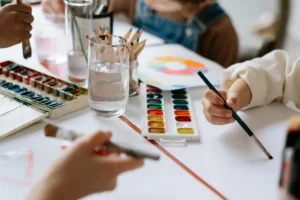
- Painting and Drawing
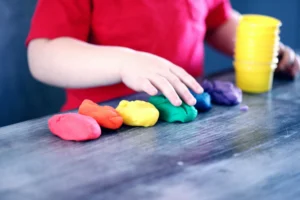
- Clay Work
- Sand Tray
- Guided Visualisation and Imagery
- Mandala Creation
- Soul Collage or Vision Boards
- Collage
- Myth and Archetype Work
- Art as Ritual or Ceremony
These different types of art therapy are tailored to individual needs and preferences, providing a truly personalised experience for each individual.
The Benefits of Art Therapy
Art therapy, with its guided creative process, supports healing, builds resilience, and fosters personal growth.
With the help of a trained therapist, creative expression becomes a tool to surface emotions, ease stress, and deepen self-awareness. What appears on the canvas or in clay often reflects feelings that may be difficult to articulate.
Because it addresses emotional, mental, and even physical well-being, art therapy can be valuable at any stage of life.
Here are some of the key benefits of art therapy:
Emotional Healing
Some feelings are too profound or complex to be explained in words. Art therapy creates a safe space where grief, trauma, and unresolved pain can be expressed through images, colour, and texture.
Giving shape to what is hidden allows emotions to surface gradually, in a way that feels manageable. With gentle guidance, the process often brings a sense of relief, without the pressure of having to discuss everything in detail.
Stress Relief
Art-making slows the pace of the mind in a way that’s different from simply “relaxing.” When someone is immersed in painting, sketching, or working with clay, their attention shifts to the present moment.
This mindful attention naturally reduces the body’s stress response, lowering muscle tension and quieting anxious thoughts. Individuals in art therapy sessions experience a lasting sense of calm that they can carry into daily life.
Self-Awareness
The images and choices made in art often reveal what words cannot. A repeated colour, a recurring shape, or even the way materials are used can point to feelings beneath the surface.
In therapy, these patterns are explored gently, offering insight into emotions and behaviours. This newfound awareness helps people recognise triggers, better understand their needs, and start making changes that support their well-being.
Mind-Body Connection
Art therapy often incorporates grounding practices, such as breathwork or mindful movement. These techniques help calm the body before or during creative work, allowing emotions to surface without overwhelming them.
When the mind and body work together, clients not only process feelings more deeply but also strengthen their ability to stay balanced in stressful moments outside the therapy room.
Improved Communication
For those who struggle to put feelings into words, art provides a new language. Children might draw what they feel when they can’t explain it; adults processing trauma may express through colour what feels unspeakable.
Sharing this artwork with a therapist creates an opening for dialogue, making emotions easier to understand and acknowledge. Over time, this can strengthen both self-expression and communication with others.
Enhanced Problem-Solving and Resilience
Creative work often involves trial and error, with unexpected outcomes. Learning to adapt when a drawing doesn’t go as planned or when clay takes a new form builds flexibility and patience.
Within therapy, these moments become practice for real life: approaching challenges with curiosity instead of frustration, finding new solutions, and building resilience that extends far beyond the art materials.
Who Can Benefit from Art Therapy?
Art therapy is a versatile healing tool that can benefit individuals from all walks of life. Whether you are a child navigating complex emotions or an adult seeking relief from stress, art therapy provides a safe and expressive outlet for self-expression and personal growth.
Here’s how different groups can benefit from art therapy:
Children
Children often feel emotions deeply but don’t always have the words to explain what’s happening inside. Instead, their feelings may show up as restlessness, withdrawal, or sudden bursts of anger or sadness. Art therapy gives them another outlet—one where colours, shapes, and textures take the place of words.
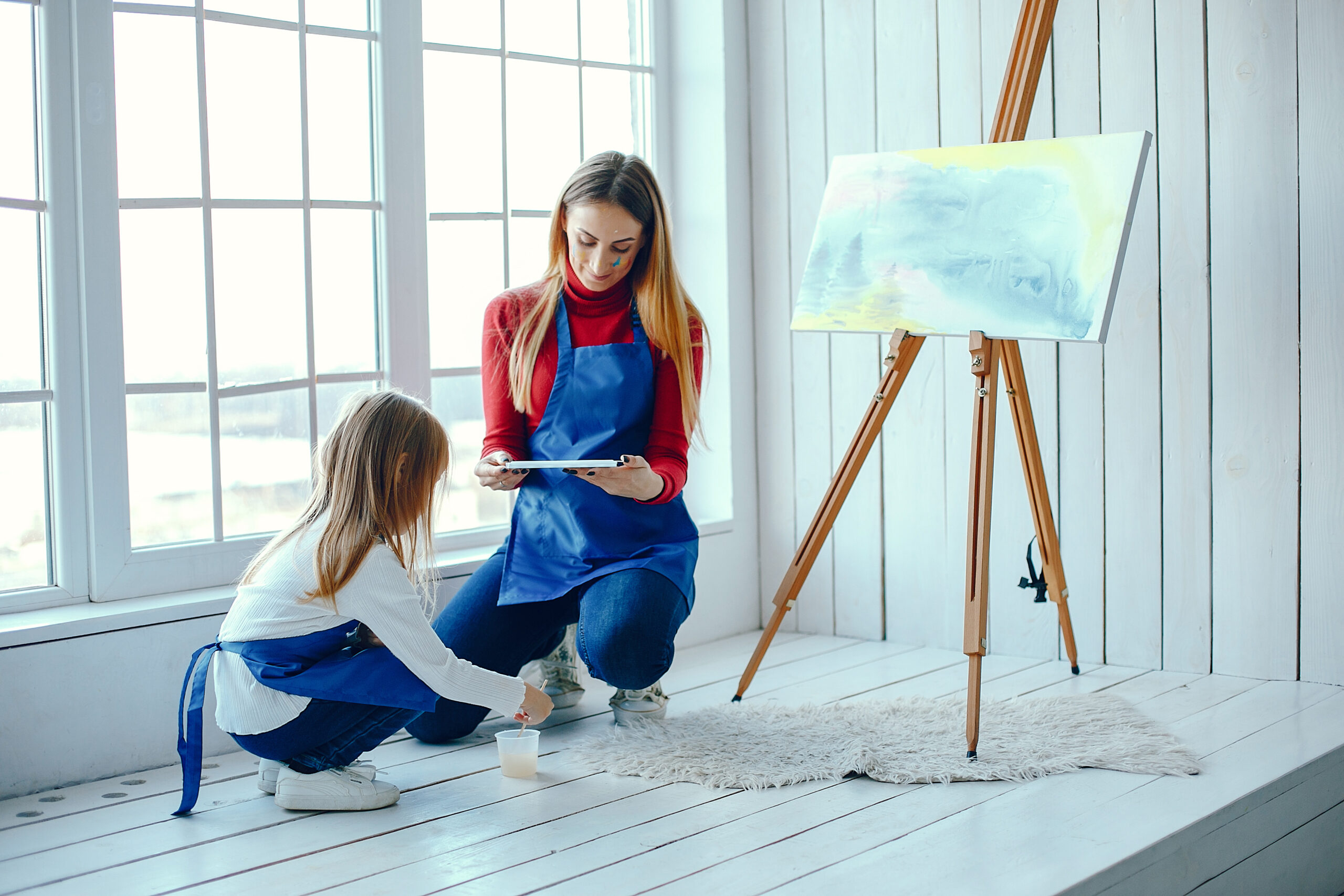
In sessions, simple activities like painting, drawing, or clay work allow children to explore their inner world in a way that feels safe and natural. These experiences help them learn how to manage big emotions, find calm, and build confidence in themselves. Over time, the process strengthens resilience and supports healthier emotional growth.
Adults
Art therapy is an excellent way for adults to release stress, work through trauma, and gain clarity during times of change. The creative process provides individuals with a safe space to explore complex emotions that are difficult to articulate.
Whether dealing with grief, career transitions, or relationship challenges, art therapy helps people reconnect with their inner selves, ease emotional tension, and find clarity. The supportive, non-judgmental atmosphere makes it easier to navigate life’s challenges with greater resilience.
Neurodivergent Individuals
Art therapy offers a meaningful way for neurodivergent individuals, such as those with autism or ADHD, to express emotions and thoughts that may be difficult to communicate verbally. Through sensory-friendly techniques like clay work and sand tray therapy, individuals can engage in tactile experiences that provide a sense of grounding and calm.
This approach not only facilitates self-expression but also promotes emotional regulation, with each session tailored to meet the individual’s unique sensory and emotional needs.
Seniors
Making art can be a simple but powerful way for older adults to stay engaged and mentally active. It keeps the mind active, brings small moments of joy, and can ease the loneliness that sometimes comes with ageing.
For those living with memory loss or dementia, creative work can reach places words no longer do. The texture of clay or the stroke of colour on a canvas can spark recognition, stir emotions, and create a connection—both with oneself and with loved ones.
Anyone Seeking Personal Growth
Art therapy isn’t just for those facing challenges. It’s for anyone who wants to explore their emotions, creativity, and inner world.
In a supportive, creative space, self-discovery and personal growth can unfold naturally. Expressing yourself through art can reveal new perspectives, help build emotional resilience, and deepen your connection with your feelings and experiences.
To summarise, art therapy is a powerful tool for processing emotions, reducing stress, and promoting personal growth.
At Artivive, we offer personalised art therapy sessions tailored to your needs, whether you’re a child, adult, or neurodivergent individual. Through creative processes such as painting, clay work, and mindfulness, we help you express yourself in a safe and compassionate space.
Our approach is grounded in transpersonal art therapy, guiding you to connect with your deeper self and gain clarity through self-reflection and emotional exploration. We create a judgment-free, inclusive environment where you can heal at your own pace, uncover new insights, and unlock your creative potential.
Whether you’re navigating life’s challenges, seeking emotional resilience, or simply curious about personal growth, we’re here to support your journey.
Get in touch with us today for a free consultation with the therapist and take the first step towards healing, self-discovery, and transformative growth.
FAQS
How is art therapy different from traditional therapy?
Unlike traditional talk therapy, art therapy utilises creative activities to help individuals express feelings that are difficult to talk about. This approach can ease stress, work through challenging experiences, and support personal growth.
Do I need artistic skills to try art therapy?
No. You do not need any artistic skills. At Artivive, the focus is on the process of creating, not the final product. It provides a non-judgmental space where individuals can explore emotions, reflect, and heal, regardless of their level of artistic experience.
What is the cost of art therapy?
The cost of art therapy typically ranges from $140 to $250 per hour. However, this varies based on factors such as location, therapist qualifications, session format (individual or group), and whether the service is covered by the National Disability Insurance Scheme (NDIS) or private health insurance.
Is art therapy available online, or should I visit the studio in person?
Artivive provides both options. In-person art therapy classes are held in Melbourne at our Doreen location. Online art therapy sessions are held via Zoom and are ideal for clients outside of Melbourne or those who prefer remote access.
What can I expect from my first day of art therapy session?
Your first session will start with a gentle conversation to get to know you and your goals. A creative activity will follow this to help you express and explore your emotions. The focus is on emotional expression, not artistic skill, all within a safe and supportive environment.